Home > FAQs > Industry news
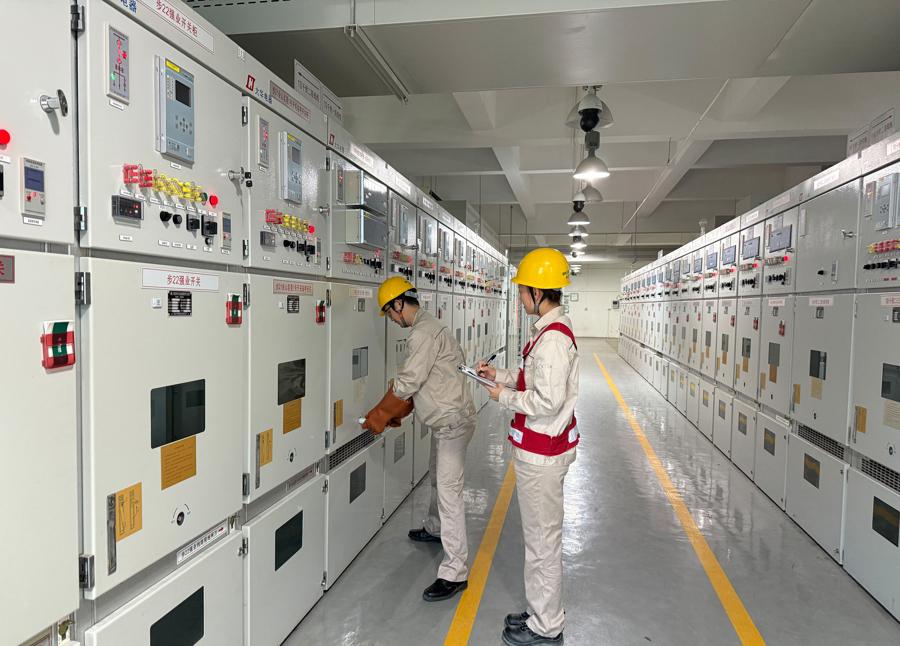
As autumn approaches, larger day-to-night temperature differences, increased humidity, rainfall, and condensation can create new challenges for electrical distribution systems.
After operating through months of high summer temperatures and heavy electrical loads, busway systems and other distribution equipment may enter the new season with hidden risks that are not immediately visible.
Repeated thermal expansion and contraction can affect electrical connections. Moisture and condensation can influence insulation performance. Aging seals may allow humidity or water ingress, while dust accumulated during summer can affect equipment operating conditions.
For factories, commercial buildings, data centers, and other critical facilities, preventive inspection before seasonal changes can be far more effective than responding to unexpected failures later.
Based on common busway operating conditions, OHORY ELECTRIC recommends focusing on the following six areas before entering the autumn season.
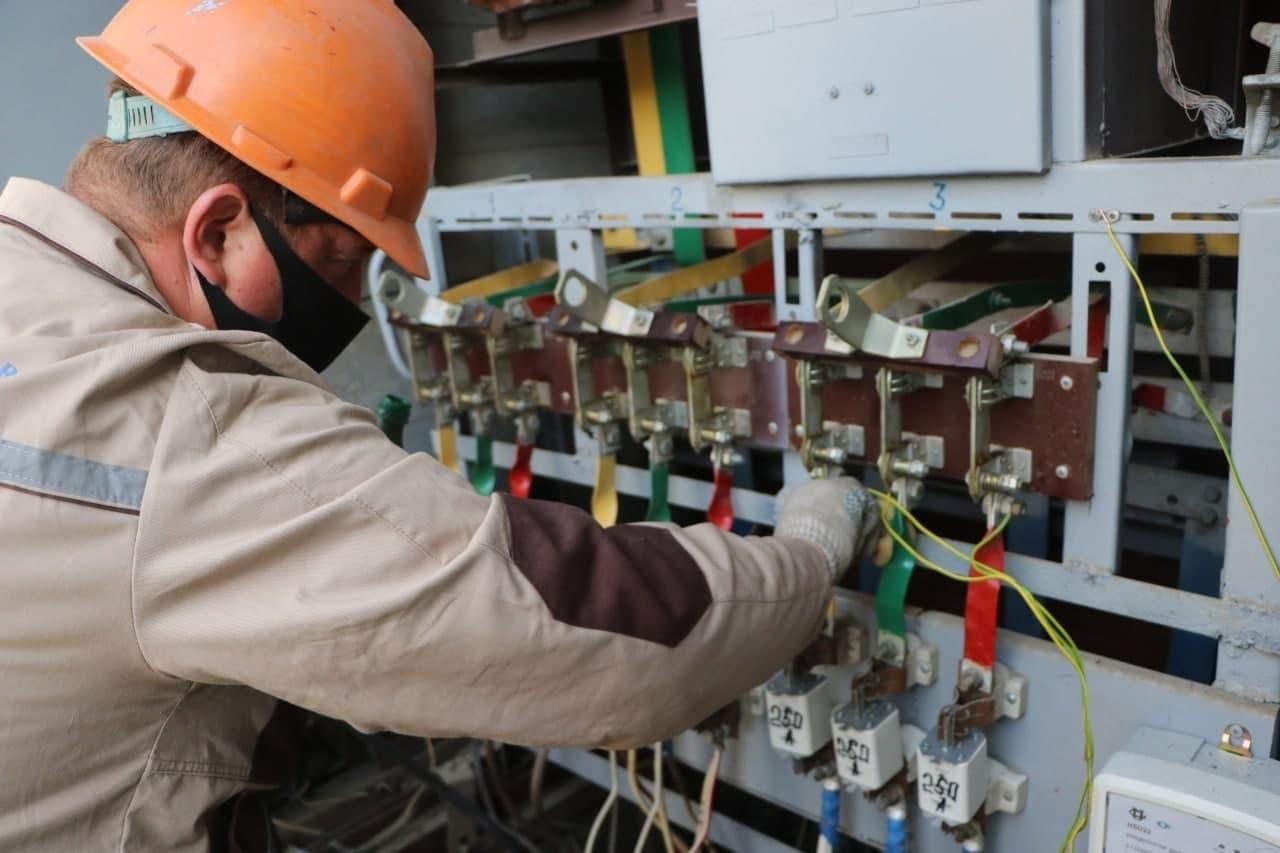
Busway joints, plug-in units, and other high-current connections should be among the first areas inspected after a long period of high-temperature operation.
Repeated heating and cooling cycles can place mechanical stress on electrical connections. If a connection begins to deteriorate, contact resistance may increase, potentially resulting in localized heating and unreliable electrical performance.
Where re-tightening is required, maintenance should be performed under appropriate power-off and electrical safety conditions, following the torque requirements specified in the relevant product documentation.
Connections should never be tightened simply “by feel.”
For circuits that have operated under particularly heavy loads, keeping inspection records can also make future temperature and condition comparisons more meaningful.
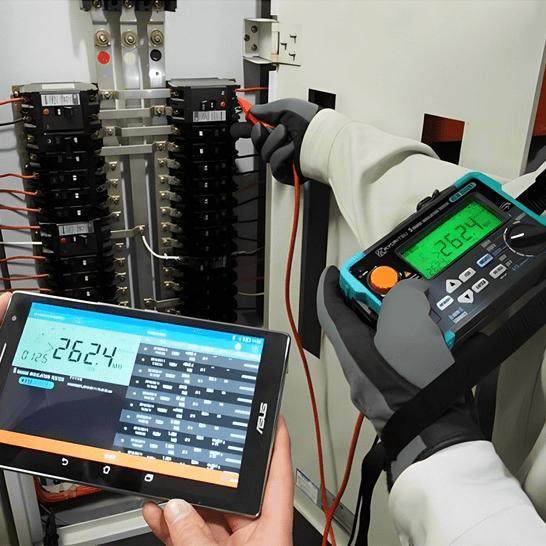
Condensation is another seasonal risk that can easily be overlooked.
When the temperature difference between daytime and nighttime increases, humidity and condensation may develop in electrical rooms, vertical shafts, enclosed spaces, and other sensitive areas.
Combined with accumulated dust, aging insulation, or inadequate sealing, moisture can negatively affect insulation performance.
Special attention should therefore be given to:
For equipment with historical inspection records, current measurements can also be compared with previous data.
A single measurement provides useful information, but a changing trend can reveal even more about the condition of an electrical system.
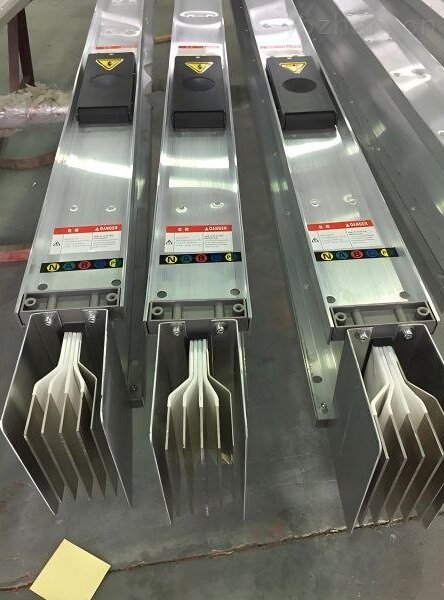
For humid, semi-outdoor, underground, or rain-exposed installations, seasonal maintenance should include a careful inspection of sealing and environmental protection.
Key locations include:
Any signs of deteriorated seals, cracks, gaps, deformation, or incomplete penetration sealing should be evaluated and corrected according to the installation requirements.
Reliable environmental protection does not depend on the product alone.
Proper Product Selection + Correct Installation + Effective Sealing + Regular Maintenance
Together, these factors help support long-term system reliability.
For installations exposed to demanding environmental conditions, the required protection level should be considered during the initial busway selection and system design stage.
Not every electrical problem immediately results in a shutdown.
In its early stages, a deteriorating connection may simply appear as:
One connection operating slightly hotter than surrounding components.
This is why thermal inspection can be valuable for preventive maintenance.
Under appropriate operating and safety conditions, infrared thermal imaging can help maintenance teams identify abnormal temperature patterns at critical electrical connections.
Priority inspection areas include:
Maintenance teams should consider not only absolute temperature but also temperature differences between comparable components operating under similar conditions.
A connection that repeatedly operates significantly hotter than similar locations deserves further investigation.
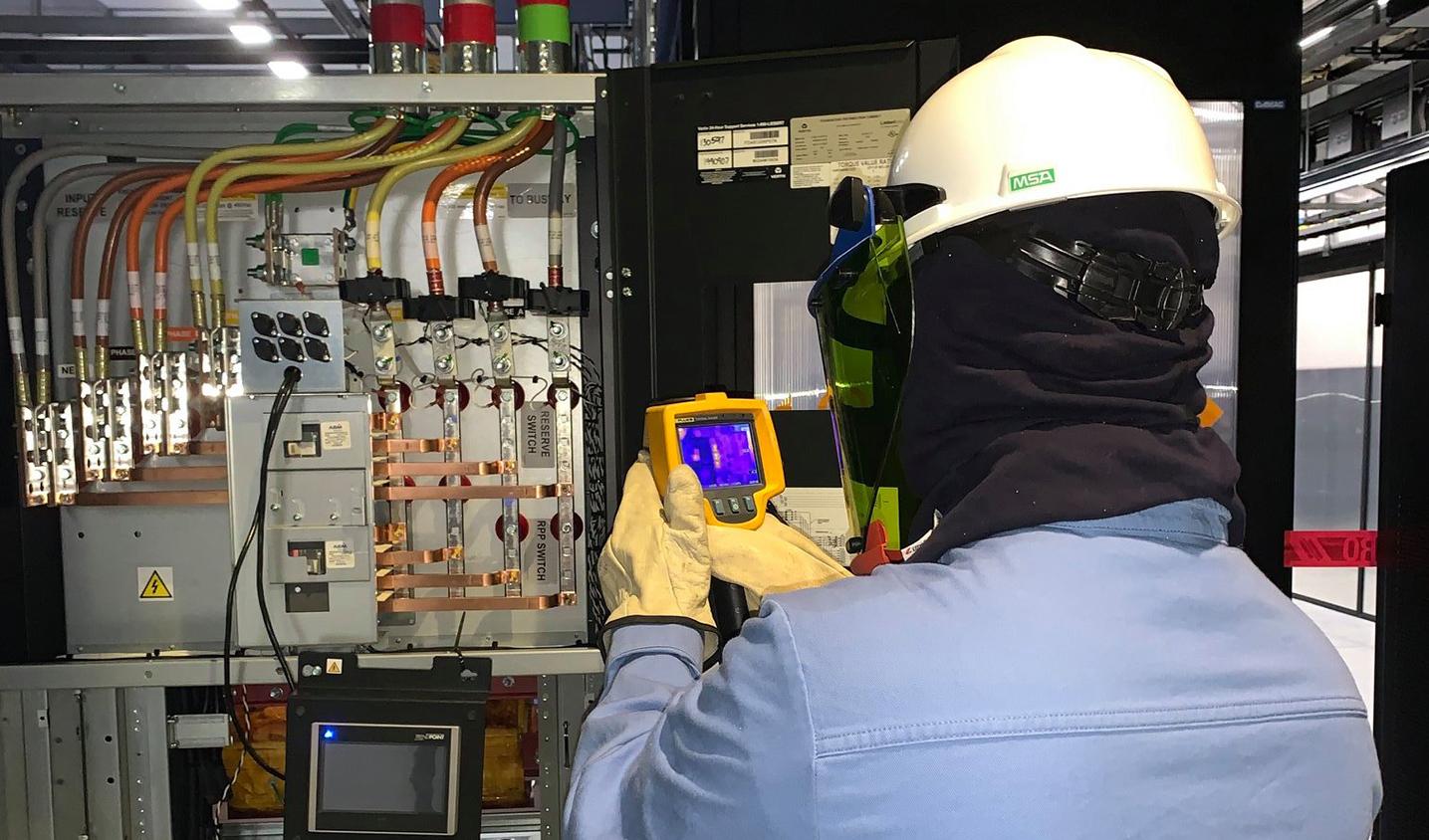
A reliable power distribution system must do more than deliver electricity during normal operation.
It must also provide appropriate protection when abnormal conditions occur.
Seasonal maintenance provides a good opportunity to review:
Inspect connections for signs of:
Loosening | Corrosion | Damage | Abnormal Operation
Protection settings should also be reviewed by qualified electrical personnel according to the actual system design, connected loads, applicable standards, and equipment documentation.
The objective is simple:
When a fault occurs, the protection system must be ready to respond as designed.
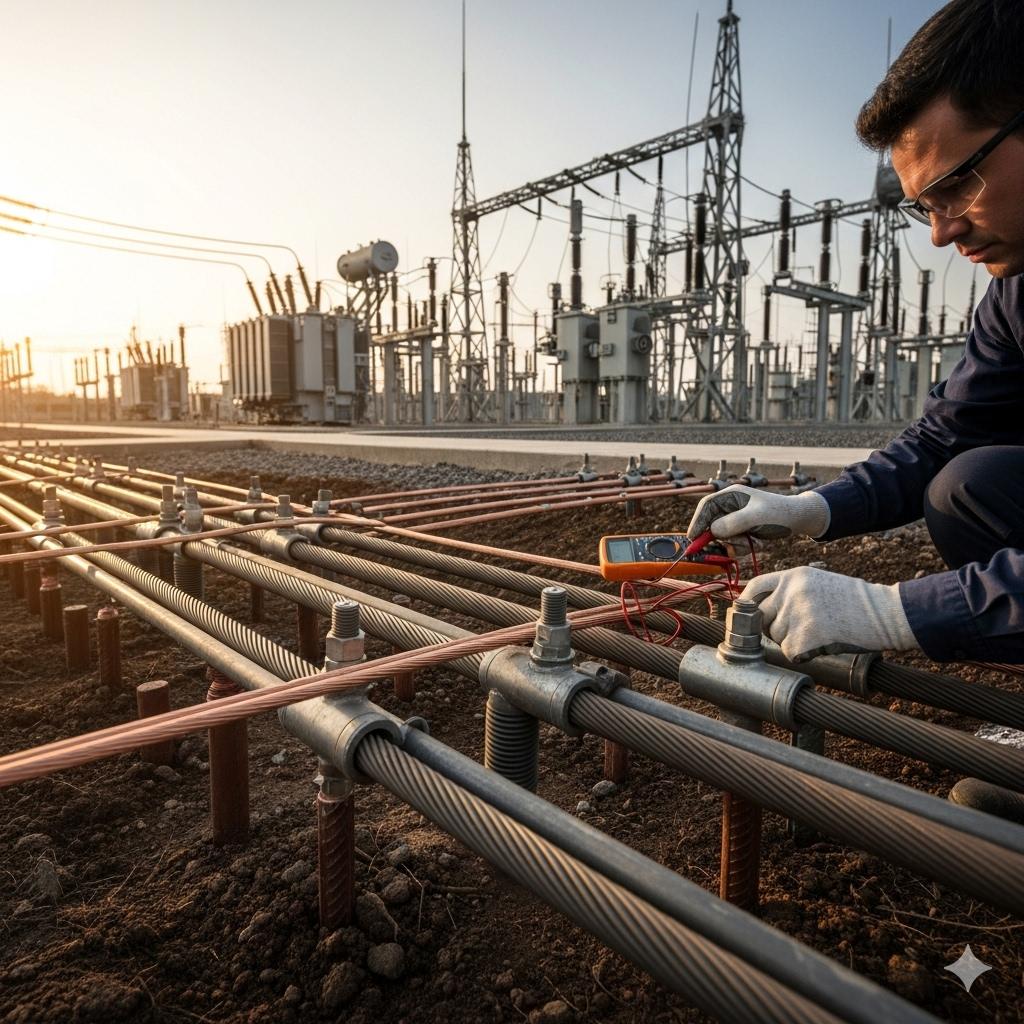
Sometimes, the source of an electrical problem is not the equipment itself.
The surrounding environment can play an equally important role.
After months of summer operation, electrical rooms and equipment areas may accumulate:
Dust | Debris | Moisture | Blocked Ventilation
Seasonal inspections should therefore include the surrounding operating environment.
Check:
Dust and debris should be removed safely, ventilation paths kept unobstructed, and moisture-control equipment maintained in proper operating condition.
Small environmental issues can become larger reliability problems if ignored for long periods.
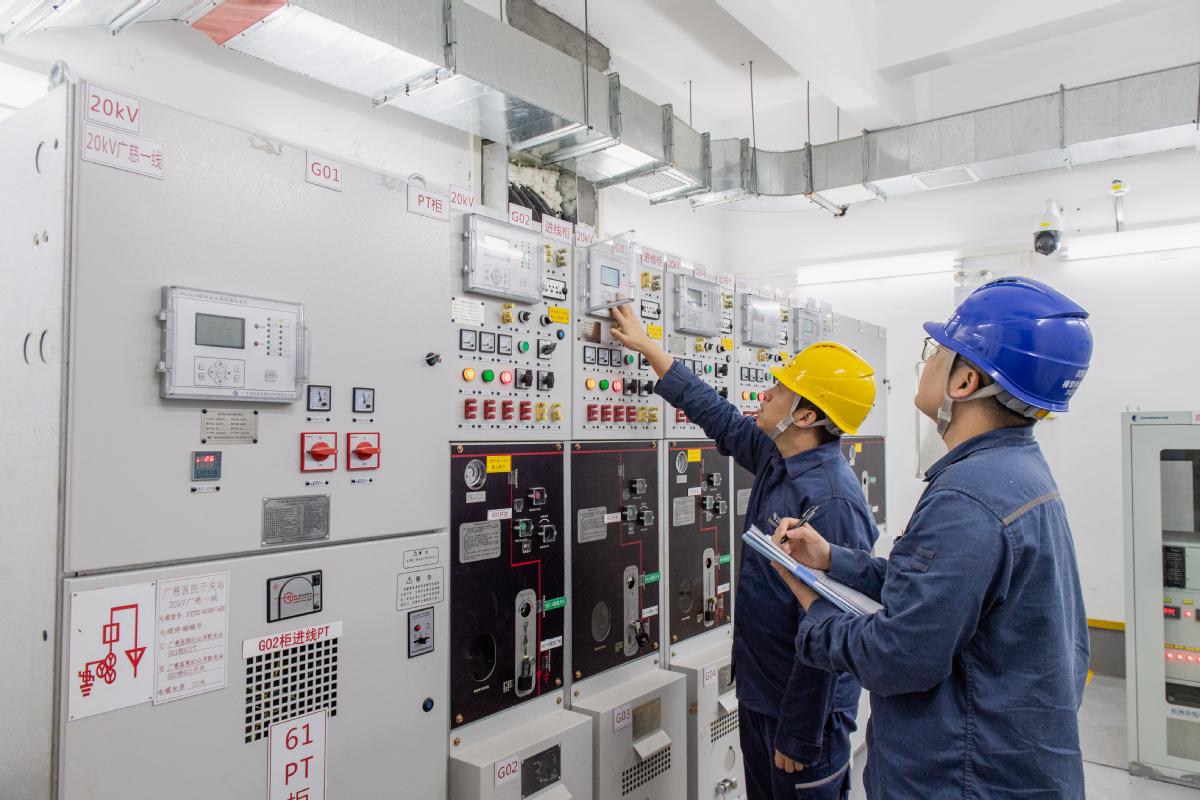
The real purpose of seasonal maintenance is not simply to complete another inspection checklist.
It is about identifying developing problems before they become failures.
A practical preventive maintenance strategy follows a simple process:
Inspection → Detection → Evaluation → Correction → Monitoring
For factories, data centers, commercial buildings, and other critical facilities, planned inspection can help reduce the likelihood of unexpected interruptions and provide maintenance teams with a clearer understanding of system condition.
Rather than waiting for overheating, insulation deterioration, moisture ingress, or connection problems to cause a shutdown, maintenance teams can identify warning signs earlier and respond in a more controlled way.
OHORY ELECTRIC focuses on busway and power distribution solutions for a wide range of industrial and infrastructure applications.
Our solutions include:
Compact Busbar Systems
Efficient power distribution for industrial and commercial applications.
Data Center Busduct Solutions
Flexible power distribution designed around modern data center requirements.
Fire-Rated Bus Duct
Busway solutions for applications with enhanced fire-performance requirements.
Casting Bus Duct
Power distribution solutions for demanding installation environments.
From industrial facilities and commercial buildings to data centers and infrastructure projects, our focus goes beyond supplying equipment.
We work with customers to understand the electrical requirements, installation environment, system layout, and long-term operating needs behind each project.
Seasonal changes are a reminder that reliable power distribution requires more than good equipment.
It requires:
Proper Design + Correct Installation + Preventive Inspection + Professional Maintenance
If you are planning a new busway project, upgrading an existing electrical distribution system, or looking for a solution for a demanding operating environment, OHORY ELECTRIC is ready to support your project.
Send us your:
Current Rating | Voltage | Single-Line Diagram | Layout | Installation Environment | Project Requirements
Our team can review your application and discuss a suitable busway solution.
Suggested SEO Title:
6 Essential Busway Maintenance Checks Before Autumn | OHORY ELECTRIC
Suggested Meta Description:
Prepare your busway and power distribution system for seasonal changes with six essential preventive maintenance checks covering connections, insulation, moisture protection, thermal inspection, grounding, and operating environment.