Home > FAQs > Industry news
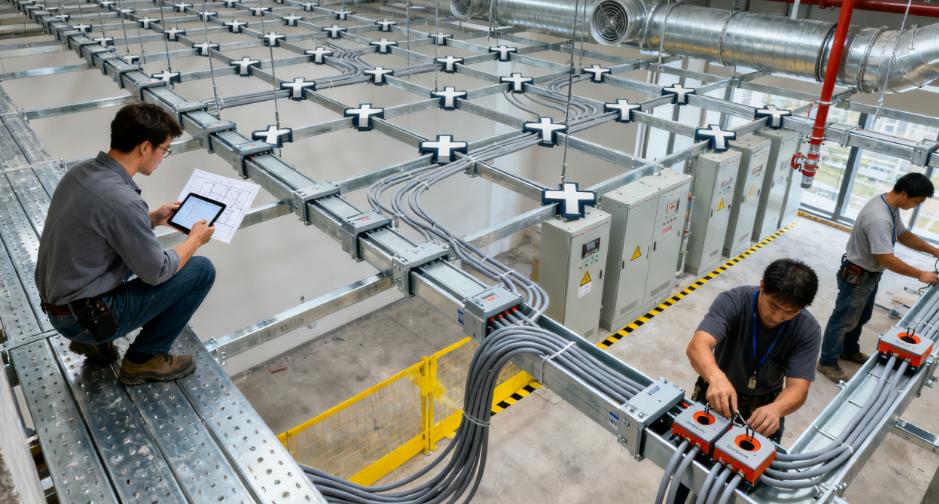
A high-quality busway system is only one part of a reliable power distribution project.
The other part is correct installation.
Even when the busway itself has been properly designed and manufactured, problems during transportation, installation, connection, alignment, or commissioning can affect long-term performance.
For EPC contractors, electrical engineers, and installation teams, understanding these risks before energization can help reduce rework, delays, and unexpected problems after the system enters operation.
At OHORY ELECTRIC, we believe reliable busway performance begins long before the system is switched on.
Here are seven installation issues every project team should pay attention to.
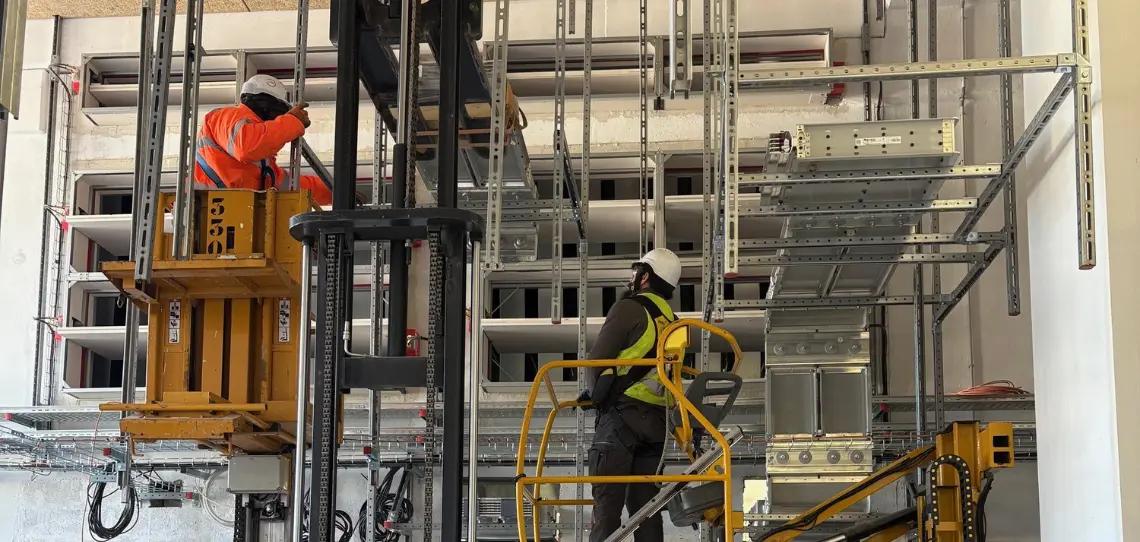
Busway sections should not be forced into position simply to make two sections connect.
Improper alignment can place unnecessary mechanical stress on:
Before final tightening, installers should verify that each section is properly positioned according to the approved layout and installation requirements.
Manufacturer installation documentation also emphasizes proper alignment before final joint tightening and insulation.
Never use the joint connection to compensate for poor installation alignment.
Correct the position first, then complete the connection.
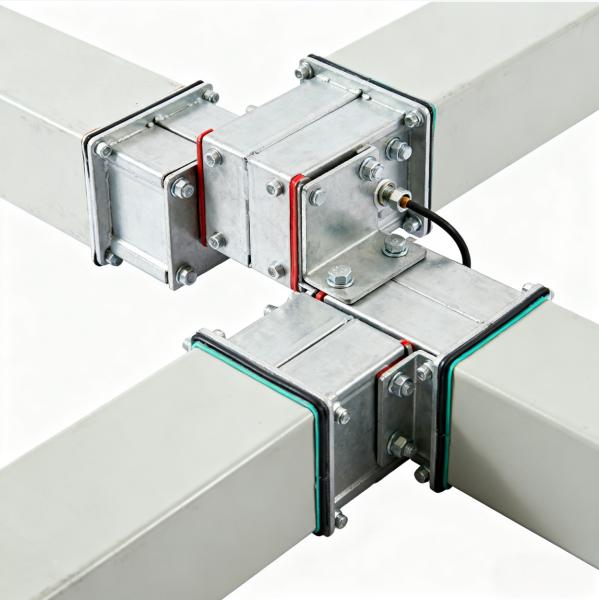
Busway joints are among the most important electrical and mechanical connection points in the entire system.
Incorrect tightening can contribute to poor contact conditions.
Depending on the busway design, manufacturers specify particular joint hardware and installation procedures. For example, Eaton's technical documentation specifies joint assembly requirements and defined torque procedures for different hardware configurations.
The important principle is:
Follow the manufacturer's installation requirements—never guess.
Installers should check:
Construction sites are rarely clean environments.
Dust, metal particles, oil, moisture, packaging residue, and other contaminants can reach electrical connection surfaces during transportation and installation.
Before assembling electrical joints, contact surfaces should be inspected according to the manufacturer's instructions.
Cleaning also needs to be performed correctly. Improper cleaning methods can damage plating or insulation, so installers should follow the product-specific documentation rather than using arbitrary chemicals or abrasive methods.
Keep busway connection areas protected until installation is ready to proceed.
Clean installation today can prevent difficult troubleshooting tomorrow.
Busway is part of the electrical system, but it is also a physical installation.
Supports and mounting structures must properly accommodate the busway route.
Project teams should consider:
Support Location | Structural Conditions | Busway Weight | Route Changes | Building Movement | Installation Access
Long busway runs may also require specific consideration of thermal expansion.
For example, manufacturer engineering guidance can require expansion joints for very long straight runs or where busway crosses a building expansion joint. The exact requirement depends on the system and installation.
This is why support and expansion planning should be completed during engineering—not improvised on site.
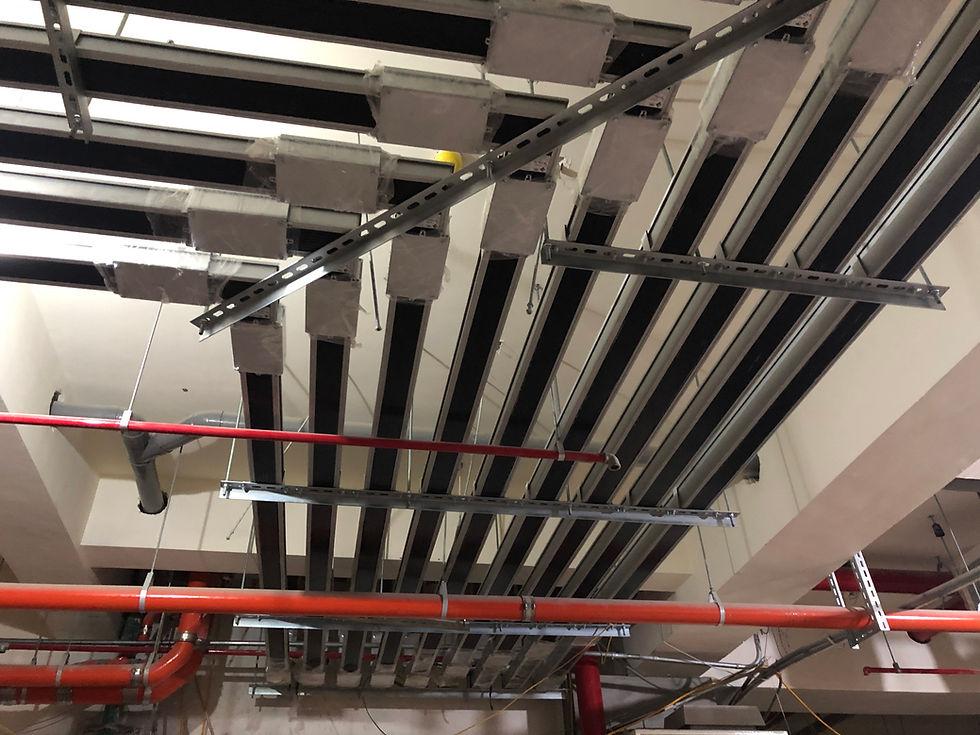
One common mistake is selecting or installing busway without fully considering the actual environment.
A busway installed in a clean indoor electrical room may face very different conditions from one installed in:
Protection requirements should therefore be established during the design stage.
OHORY ELECTRIC's current product portfolio includes Compact Busbar, Casting Bus Duct, Fire Rated Bus Duct and other busway solutions for different application requirements.
Don't ask only:
“What current rating do we need?”
Also ask:
“Where will this busway actually operate?”
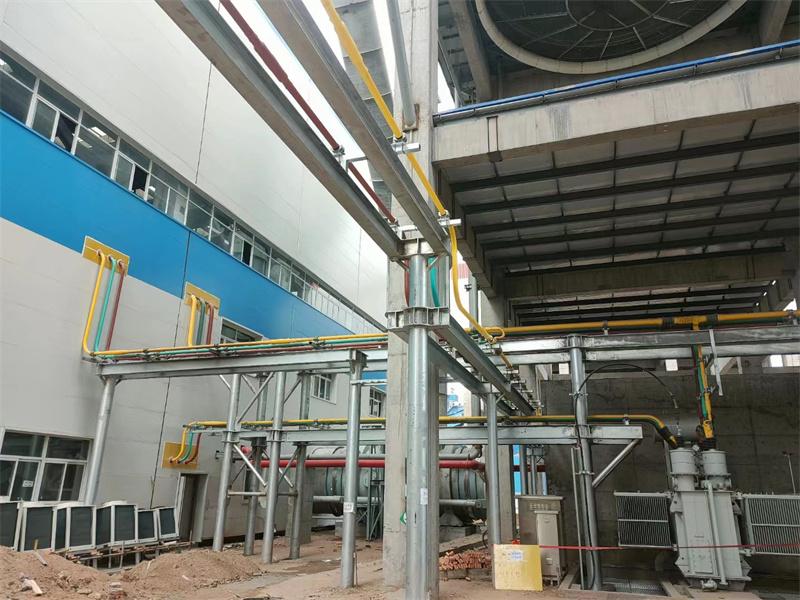
Completing physical installation is not the final step.
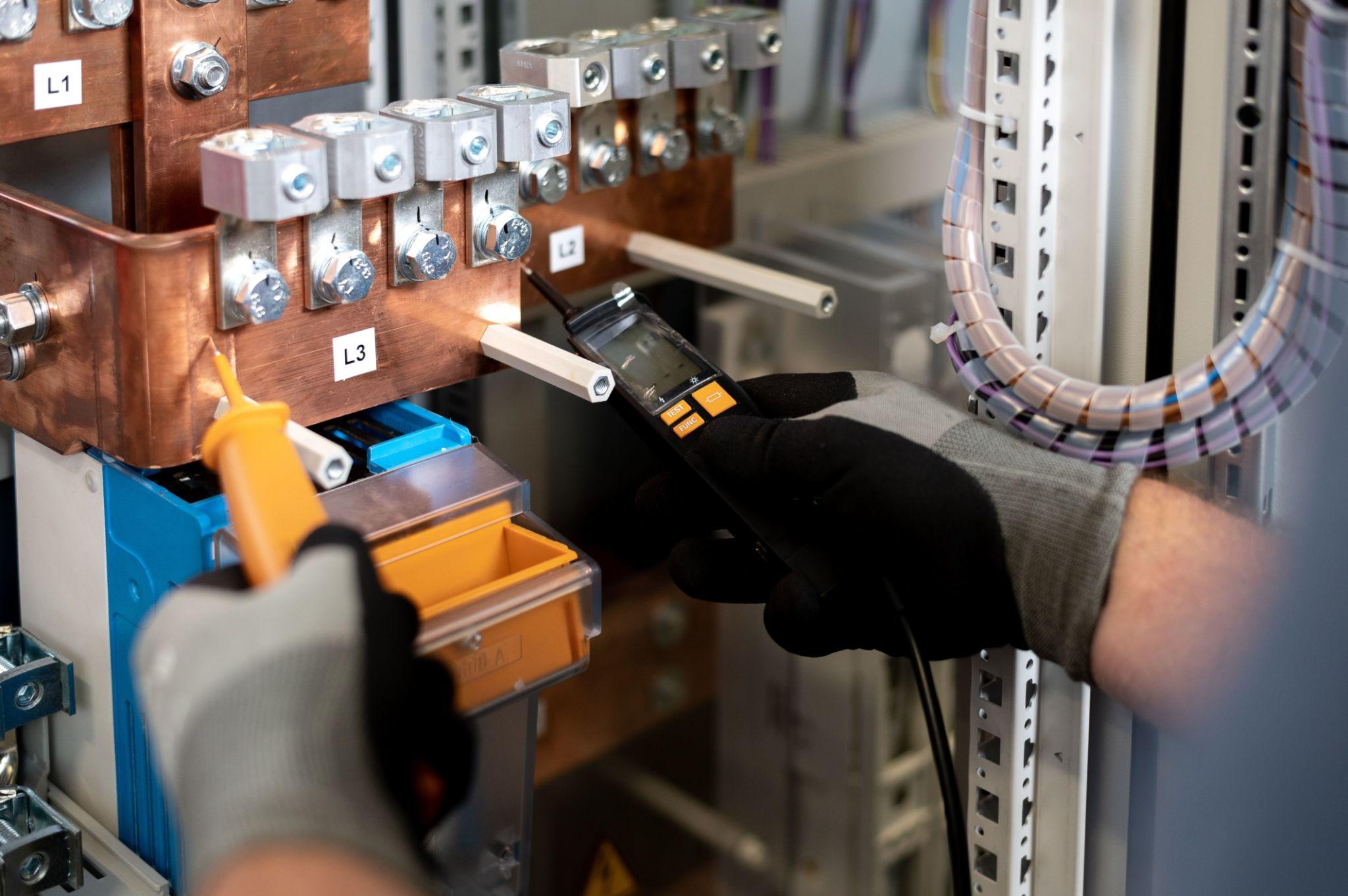
Before energization, the system should undergo the applicable inspection and commissioning procedures specified for the equipment and project.
Depending on the system, these may include checks of:
Joint Connections
Are all connections completed correctly?
Grounding
Is the grounding path complete?
Insulation
Has the applicable insulation testing been completed?
Covers and Enclosures
Are all protective components correctly installed?
Foreign Materials
Have tools, metal particles, packaging, dust, and installation debris been removed?
System Configuration
Does the installed route match the approved drawings?
Manufacturer installation manuals specifically call for pre-energization checks of connections, grounding, insulation, cleanliness and enclosure components.

One of the most overlooked steps happens after successful commissioning.
Once the busway begins operating under normal load, project teams can establish baseline operating information.
Depending on the project and monitoring equipment, this may include:
OHORY ELECTRIC also lists Smart Monitoring Systems and AI Intelligent Busway Systems within its current product portfolio.
Baseline information provides something extremely valuable:
A reference point.
Six months later, instead of asking:
“Is this temperature normal?”
maintenance teams can ask:
“How has this connection changed compared with commissioning?”
That is a much more useful maintenance question.
Busway reliability does not depend on one factor alone.
It is the result of an entire project process:
A mistake at any stage can affect the stages that follow.
That is why successful busway projects require close cooperation between the manufacturer, consultant, EPC contractor, installation team, and facility operator.
OHORY ELECTRIC provides busway solutions for commercial, industrial, data center, and infrastructure applications.
Our current product portfolio covers Compact Busbar, Data Center Busduct Solutions, Fire Rated Bus Duct, Casting Bus Duct, Smart Monitoring Systems and other specialized power-distribution products.
We support customers from initial project requirements through busway configuration and technical coordination.
Because a reliable busway system should not simply arrive at the project site.
It should be designed to work correctly after installation.
Before requesting a quotation, send OHORY ELECTRIC:
Single-Line Diagram | Voltage | Current Rating | Layout Drawing | Installation Environment | Project Location
The more complete the project information, the more accurately our team can understand your power-distribution requirements.